
Dermatologists Share the Ideal Tretinoin Skincare Regimen for Achieving Your Best Skin Ever
When considering the ultimate skincare secret for achieving smooth, even skin, retinol often comes to mind first. It’s fair to say that I haven't met a skincare professional who doesn’t advocate for it. However, if you've felt that your retinol isn't delivering the results you anticipated, it might be worth exploring a stronger alternative—this is where tretinoin becomes relevant. "Tretinoin cream is a vitamin A derivative and a topical retinoid," explains board-certified dermatologist and founder of Luma Dermatology, Nupur Patel, MD. "In a skincare landscape filled with clever marketing, fear, and science, it’s an ingredient that has been rigorously tested and has proven effective over time." While it’s beneficial for those battling stubborn acne, it has also gained popularity for addressing other skin issues such as fine lines, uneven texture, hyperpigmentation, and clogged pores. So, what’s the best way to integrate this into your skincare regimen? Below is your step-by-step guide with all the necessary details.
What distinguishes tretinoin from retinol? The primary difference lies in potency. “Tretinoin is a prescription-strength, pure retinoic acid that interacts directly at the cellular level, whereas retinol is an over-the-counter derivative that must be converted by the skin twice, which makes it considerably gentler," Patel clarifies. She notes that all retinoids must convert into retinoic acid to affect our cells. With retinol, there is a two-step conversion process involving skin enzymes. In contrast, tretinoin is already in its most active form. However, it’s essential to remember that a stronger formulation isn’t always superior. "Retinol can be an excellent starting point for those with sensitive skin or individuals new to retinoids," says board-certified plastic surgeon Maryam Zamani, MD. "Ultimately, the best retinoid is one that you can tolerate and use consistently."
How to Incorporate Tretinoin into Your Skincare Routine
Step 1: Cleanse
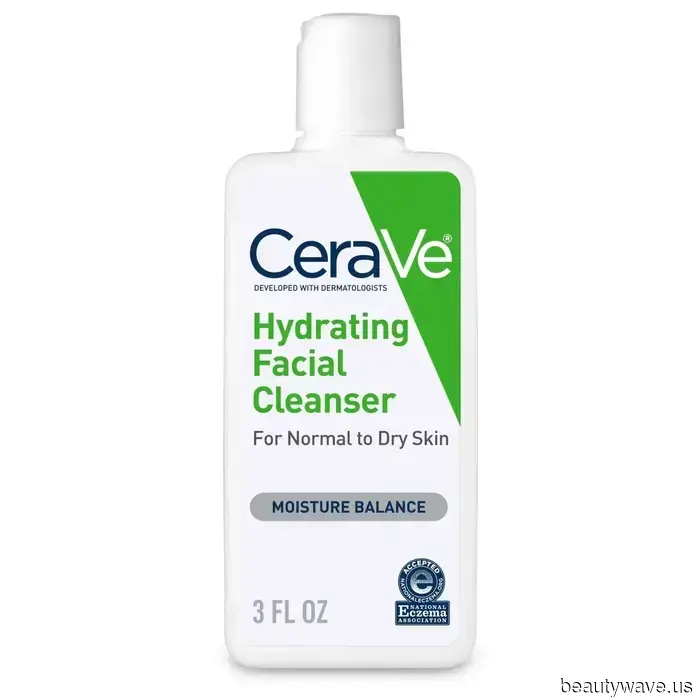
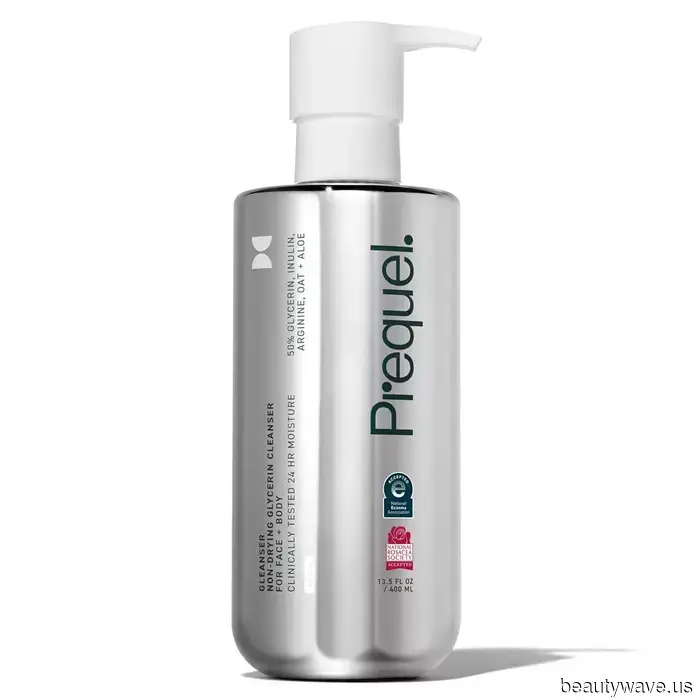
The initial step in any skincare routine, particularly if you wear makeup, begins with cleansing. You can opt for micellar water or a makeup remover. "Consider using an oil-based cleanser on dry skin, then rinse it off with warm water," Patel recommends. "Follow up with micellar water on a cotton pad for stubborn areas like eye makeup." For those who don’t wear makeup, cleansing is still crucial. Patel suggests gentle formulas like CeraVe Hydrating Cleanser or Prequel’s Gleanser.
Step 2: Apply a Serum
If you haven’t invested in a serum yet, now is the time. This can be especially beneficial if your skin tends to feel dry or tight after cleansing; however, Patel cautions that those with oily skin or rosacea should skip this step. "For some skin types, keeping it simple is more effective,” she states. "If your skin is dry, use a peptide serum containing hyaluronic acid on damp skin to replenish moisture."
Step 3: Moisturizer
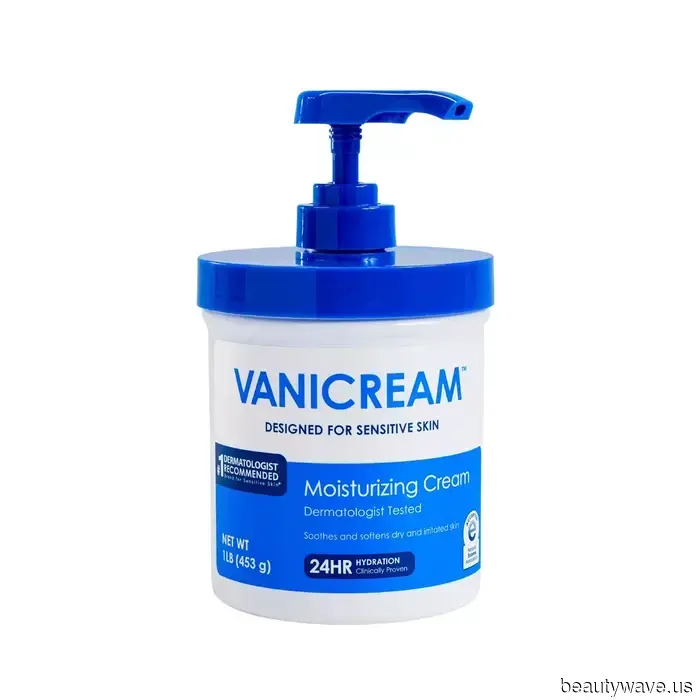
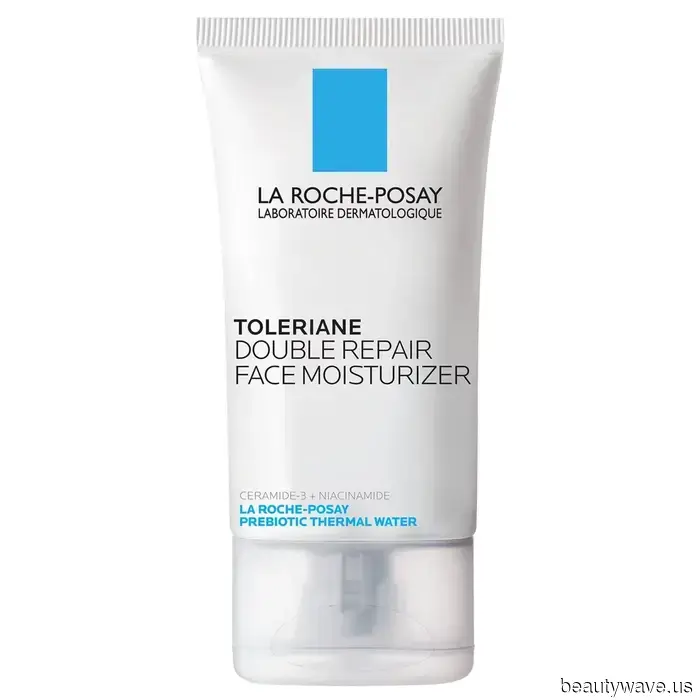
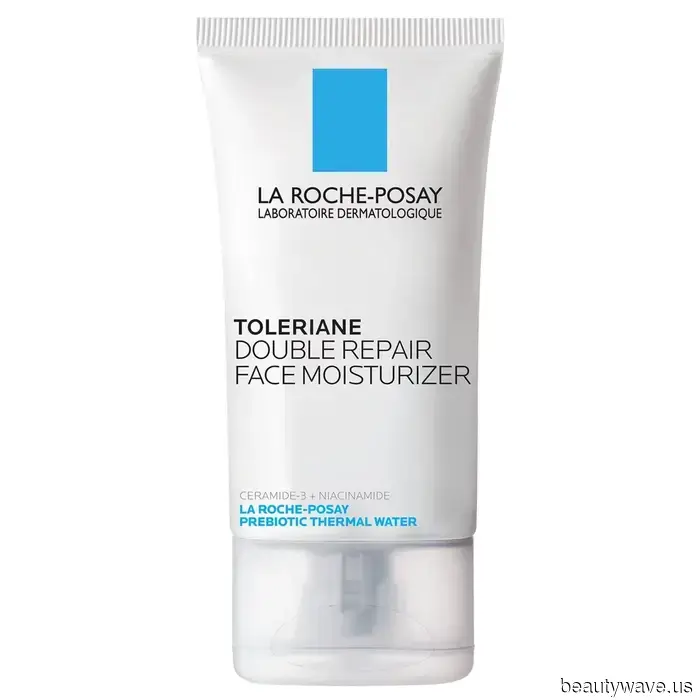
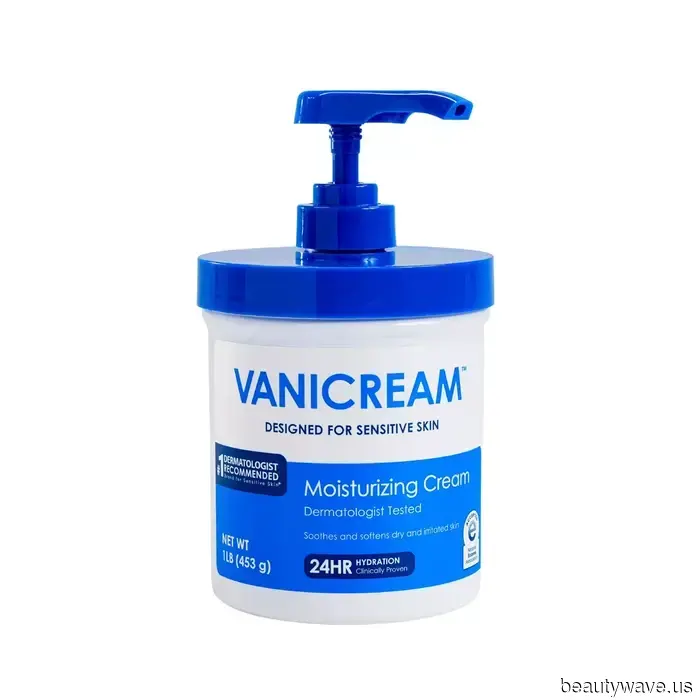
View your moisturizer as the key player in your tretinoin skincare routine. This step should be done twice for the "sandwich method" (more on this later), making it crucial to select the right moisturizer for your skin type. For those with oily skin, this can be especially challenging. "For oilier skin types with no sensitivity, I would recommend La Roche-Posay Toleriane or Neutrogena Hydro Boost Cream," advises Patel.
Step 4: Tretinoin
At this point, whether you’re using tretinoin or retinol, this is where you’ll apply your chosen retinoid. After allowing the moisturizer to absorb, take a pea-sized amount and apply it to your entire face. Zamani cautions against applying it to the eyelids, corners of the nose, and mouth. Afterward, prepare to reapply your moisturizer.
Step 5: Moisturize Again
This step is technically optional, but there’s a purpose behind it. "I prefer the 'sandwich' method of using moisturizer, tretinoin, followed by another light layer of moisturizer," notes Zamani. This can help minimize sensitivity, making it suitable for all skin types, particularly for those with dry or sensitive skin.
Your AM Routine
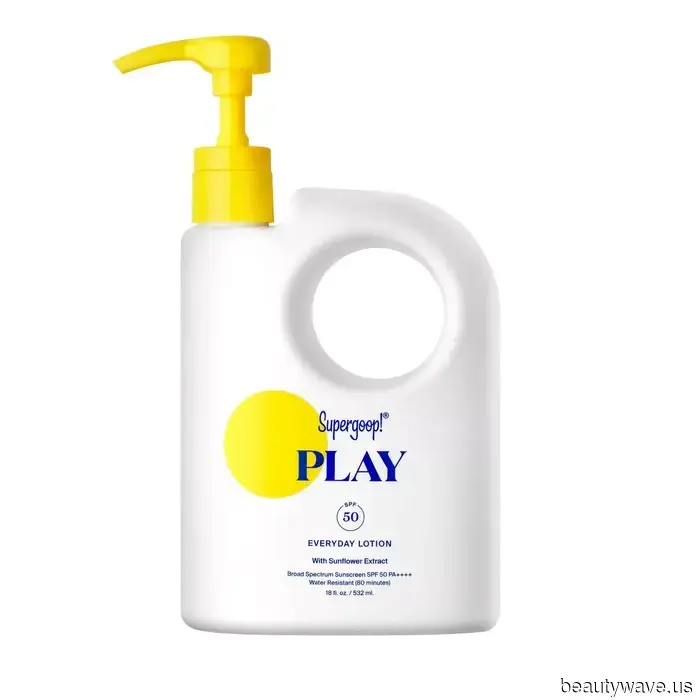
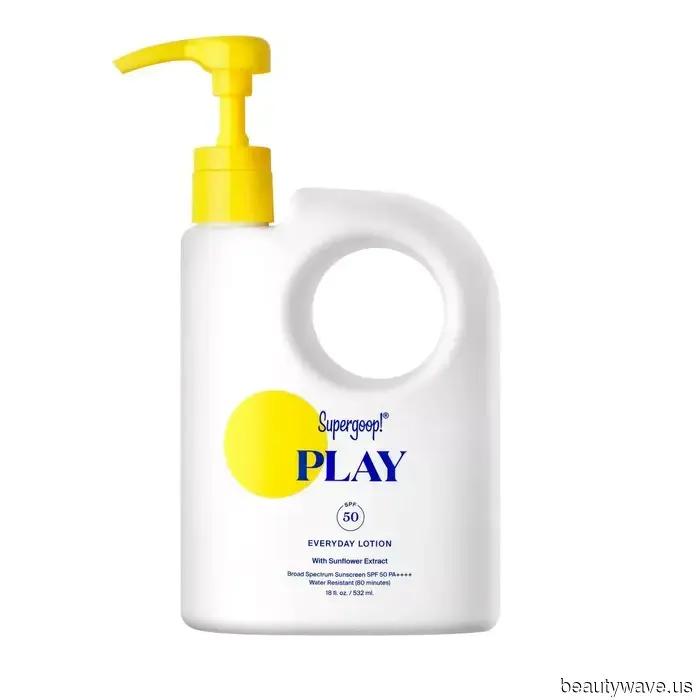
Your morning regimen will be simpler, but it must place a strong emphasis on sun protection (ideally SPF 50 or higher). "Sunscreen is crucial if you’re using a retinoid at night since retinoids increase your skin's sensitivity to the sun," explains Patel. Before applying sunscreen, begin by rinsing your face with water. If you have oily or acne-prone skin, Patel suggests using a gentle cleanser instead. If your skin can tolerate it, Zamani recommends incorporating an antioxidant like vitamin C, followed by moisturizer and SPF.
What Concentration of Tretinoin is Best?
There
Other articles
 In case you missed it: Fashion enthusiasts have been subtly swapping their white t-shirts for this more stylish basic for fall.
Shop the top styles from Zara to Reformation.
In case you missed it: Fashion enthusiasts have been subtly swapping their white t-shirts for this more stylish basic for fall.
Shop the top styles from Zara to Reformation.
 Makeup artists claim that these full-coverage foundations appear so natural that I should really keep them under wraps.
A quality full-coverage foundation can resemble a second skin. Check out the 10 formulas that makeup artists are embracing for a natural look in 2026.
Makeup artists claim that these full-coverage foundations appear so natural that I should really keep them under wraps.
A quality full-coverage foundation can resemble a second skin. Check out the 10 formulas that makeup artists are embracing for a natural look in 2026.
 Attention: The Latest Boot Trend for Fall 2026, Endorsed by It Girls, Has Arrived
Selena Gomez is prepared to change seasons.
Attention: The Latest Boot Trend for Fall 2026, Endorsed by It Girls, Has Arrived
Selena Gomez is prepared to change seasons.
 Victoria Beckham Launched Denim-Inspired Eyeliners—Now, My Fall Makeup Collection Is Fully Ready.
Sapphire blue is incredibly stylish.
Victoria Beckham Launched Denim-Inspired Eyeliners—Now, My Fall Makeup Collection Is Fully Ready.
Sapphire blue is incredibly stylish.
 Lorenzo Musetti states that looking good genuinely enhances your performance.
The Italian athlete offered some insightful thoughts before his opening match at the US Open.
Lorenzo Musetti states that looking good genuinely enhances your performance.
The Italian athlete offered some insightful thoughts before his opening match at the US Open.
 How Roxana Saidi Is Transforming Café Culture with Táche
The Second Life podcast features an interview with Roxana Saidi, the founder and CEO of Táche.
How Roxana Saidi Is Transforming Café Culture with Táche
The Second Life podcast features an interview with Roxana Saidi, the founder and CEO of Táche.
Dermatologists Share the Ideal Tretinoin Skincare Regimen for Achieving Your Best Skin Ever
Tretinoin can significantly transform your skincare regimen. Here’s how to utilize it effectively for achieving the healthiest skin of your life, as recommended by dermatologists.