

I Cut My Hair When I Was 16—Here’s Why I Won't Grow It Again
Miles Davis once remarked, "Man, sometimes it takes you a long time to sound like yourself." I believe the same applies to outward appearance; at times, it can take a while to truly look like yourself. For me, it began with a drastic haircut at age 16. My long, dark blonde, wavy hair had once cascaded well past my waist. During that period, I was deeply obsessed with the 1970s, convinced that my lengthy, beachy hair was an homage to Iggy Pop or, on good days, Stevie Nicks. My fashion choices reflected this fantasy; I was particularly taken with a pair of gold leather Fiorucci pants. To put it simply, if my outfit didn't resemble that of a faded rock star, I had no interest in it. However, as I turned 16, my perspective on my hair started to shift. I was focusing on my studies, and my world was broadening. I delved into philosophy, English literature, and film, uncovering the elements that would contribute to the complexities of my identity: books, clothing, ideas, and the individuals I admired. I was evolving into the person I am today: someone who prefers to invoke laughter rather than compliments on appearance.
The women I looked up to seemed to embody a different kind of beauty. I admired the sharpness of a well-tailored suit; seeing women in Bella Freud designs made me genuinely happy. There was something about the message it conveyed, perhaps the professionalism and authority it signified. Their appeal wasn't separate from their intellect, nor was their identity solely based on looks. Gradually, I began to feel that my long hair didn't embody any of these qualities. By then, I was less concerned with adhering to traditional notions of what was considered "pretty," or, as my dad frequently reminded me, "fanciable." He believed boys favored girls with long hair. My priority was to be chic.
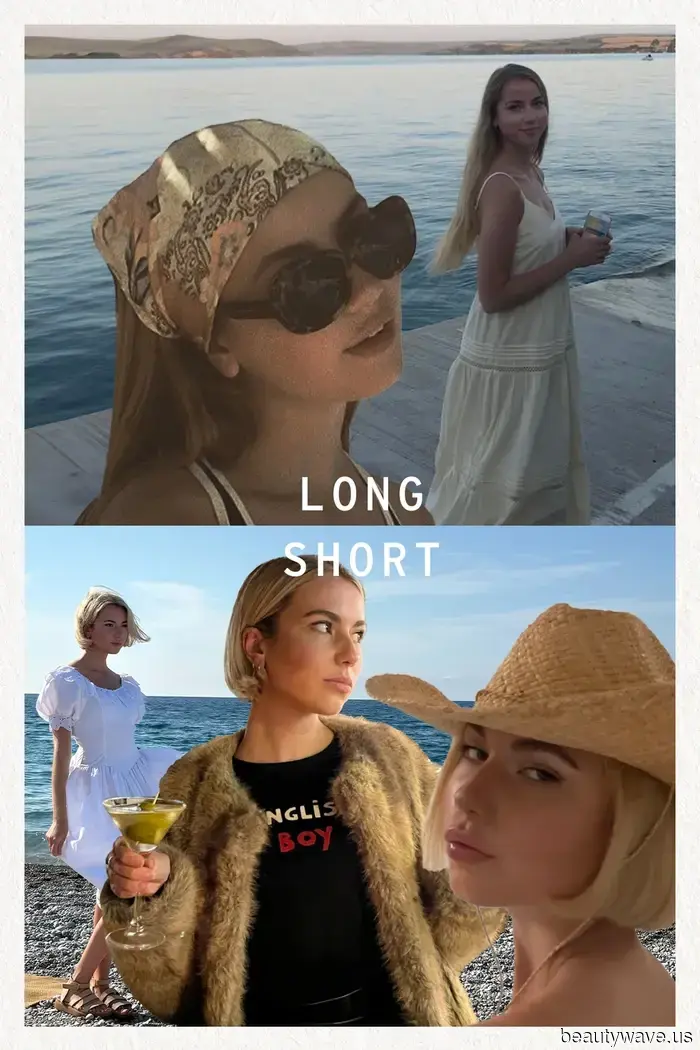
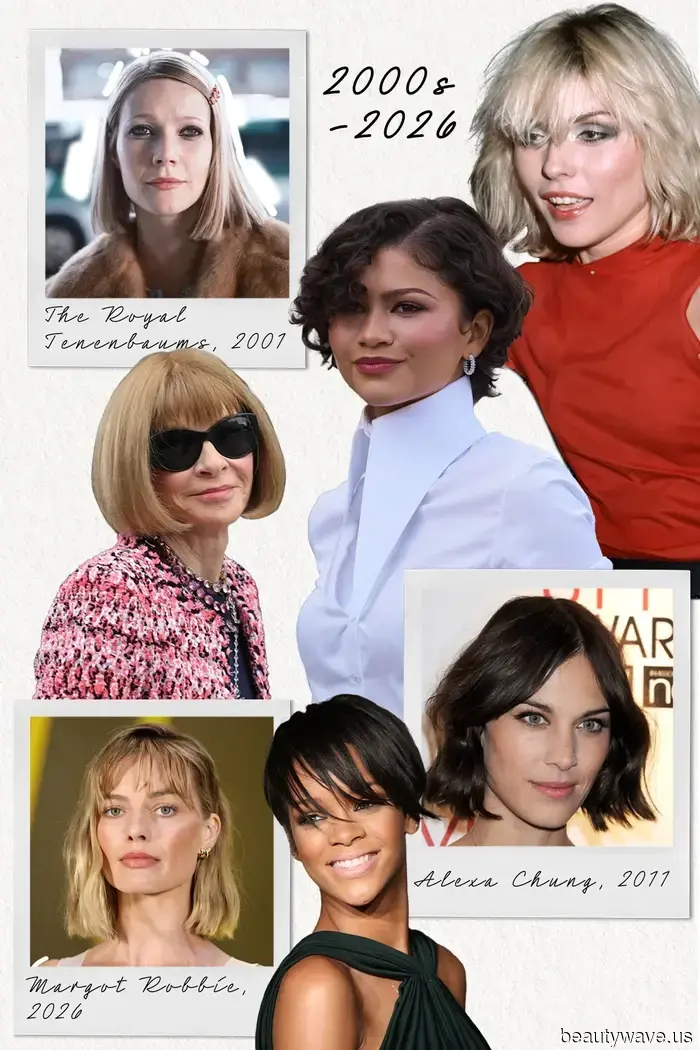
The pivotal moment came when my fascination with French culture began to flourish. I became captivated by French films, music, men—and, I admit, cheese. Then I watched Amélie (2001). Once I saw Audrey Tautou, I was convinced I needed to cut my hair into a bob. If I could get anywhere close to resembling Amélie, or at least Margo from The Royal Tenenbaums (2001), I'd be content. Like most decisions I make, I was resolute. I made an appointment and chopped off all my hair. As the strands fell around me in the salon chair, everything felt eerily right. I clearly recall how different it was to lie in bed that night without my hair spilling over the pillow and how odd it felt to run my fingers through it in the shower the following morning. But from that moment on, I knew I wouldn't let it grow long again—I had found myself.
Now that I’m older, it’s striking to consider how significant that haircut was. I realize now that I wasn’t rejecting femininity; I was attempting to create a different interpretation of it to become the woman I aspired to be. The bob felt intentional. In contrast, long hair seemed traditional and, to me, carried associations I didn’t particularly desire, linked to a version of womanhood that emphasized softness or prettiness. Of course, hair doesn’t define personality, but the bob appeared to suggest an alternative. Hair historian Rachael Gibson explains, "For much of history, white women in Western societies have been associated with long hair. It is inextricably tied to long-standing ideas of femininity and beauty standards, so anything that challenges it remains associated with concepts of strength, freedom, and modernity." That could be why the haircut felt so pivotal.
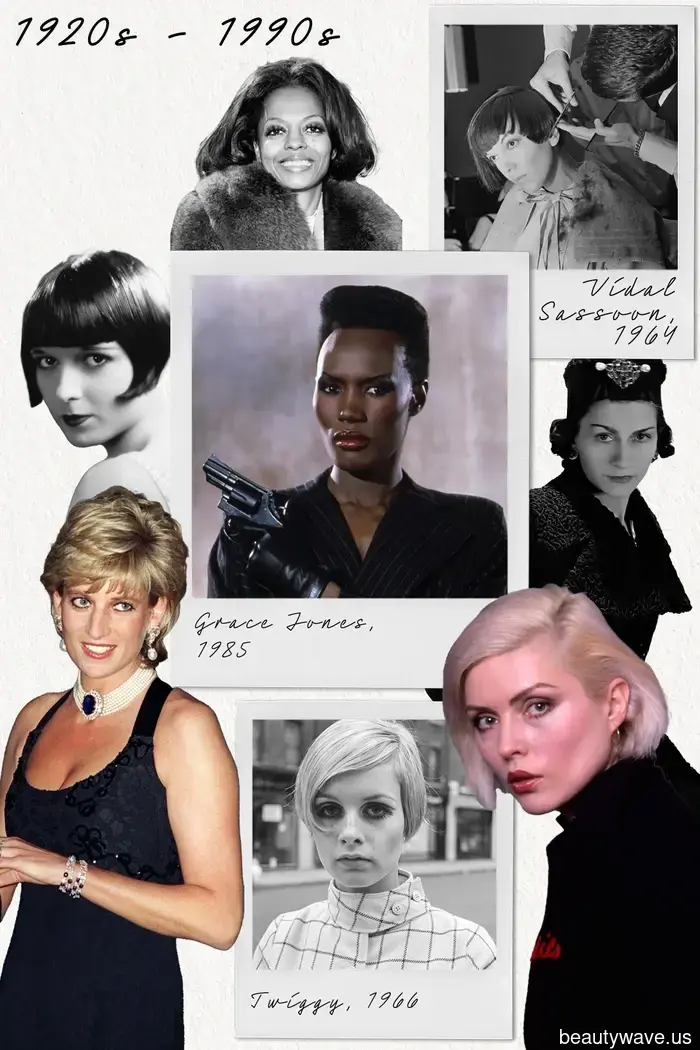
These connotations, of course, are not universal. Gibson emphasizes that the significance of hair varies greatly across cultures, religions, and histories. In many Black communities, for instance, hair holds completely different political and personal meanings, influenced by histories of colonialism, discrimination, and cultural pride. In various South Asian, East Asian, and Indigenous cultures, long hair has often symbolized spirituality, lineage, or strength rather than passive femininity. The notion that long hair simply equals traditional womanhood largely stems from white Western beauty constructs, and I acknowledge that my connection to the bob is rooted in that specific cultural context, not a universal truth. Gibson notes that when women first embraced bobbed hair in the early twentieth century, it represented much more than a fashion trend. "Short hair signified a shift in women’s liberation and all the freedoms accompanying it," she explains.
Of course, I wasn’t making a political statement at 17 or contemplating first-wave feminism, but that doesn’t mean the cultural implications weren’t present. The bob haircut has always carried a specific set of associations. Looking back at figures like Louise Brooks in the 1920s, Vidal Sassoon’s angular cuts of
Other articles
 "Imeretinsky" – now Legenda seaside resort
One of the most recognizable resorts of the federal territory "Sirius" has entered a new stage of development. The "Imeretinsky" resort complex has completed its rebranding and reopened under the brand Legenda seaside resort. For many, this place has long been associated with personal stories: family trips to the sea, summer vacations, sports training camps, and walks along the promenade. After the update, the resort retains its familiar atmosphere but offers a new...
 Unsure About What to Dress in This Summer? Check Out These 5 Celebrity-Approved Looks That Are Simple to Recreate.
Click here to explore the five simple yet stylish celebrity outfits that I am replicating for summer 2026.
Unsure About What to Dress in This Summer? Check Out These 5 Celebrity-Approved Looks That Are Simple to Recreate.
Click here to explore the five simple yet stylish celebrity outfits that I am replicating for summer 2026.
.jpeg) The Black Sea cuisine restaurant "Bosporus" has reopened its doors in the federal territory of Sirius, in the 4-star hotel Legenda (formerly Imeretinsky).
The Black Sea cuisine restaurant "Bosporus" has reopened its doors in the federal territory of Sirius, in the 4-star hotel Legenda (formerly Imeretinsky).
The menu focuses on Black Sea cuisine, which is famous not only for its fish and seafood dishes but also for rich broths, smoking techniques, a large amount of fresh herbs and vegetables, as well as local cheeses and sauces. The main principle of this gastronomic tradition is respect for the local catch. The symbols of the Black Sea have long been considered the mullet and the turbot. In the restaurant, golden mullet is served...
 Celebrities and fashion enthusiasts are loving this effortless staple—I discovered 17 stylish options for under $100 at…
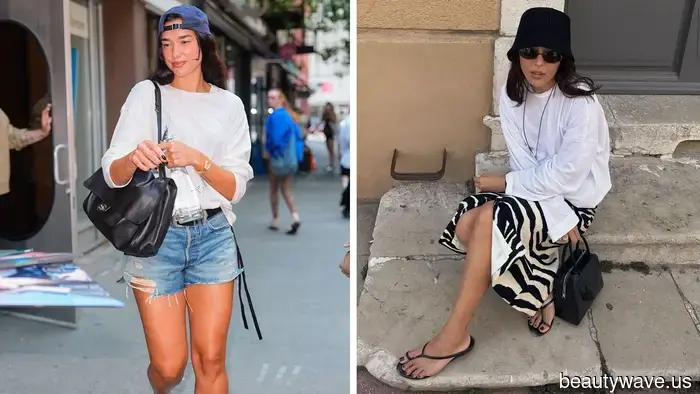
We're showcasing the top long-sleeve white tees that celebrities and fashion enthusiasts are loving for summer 2026. You can find them for under $100 at Nordstrom.
Celebrities and fashion enthusiasts are loving this effortless staple—I discovered 17 stylish options for under $100 at…
We're showcasing the top long-sleeve white tees that celebrities and fashion enthusiasts are loving for summer 2026. You can find them for under $100 at Nordstrom.
 "We're Craving These Authentic, Gradual Interactions": Sadie Soverall Discusses This Summer's…
From Saltburn to Every Year After, Sadie Soverall has established herself as a rising star on our screens. She discusses a year of longing, young adult fiction, and shares why Meg Ryan serves as her greatest inspiration.
"We're Craving These Authentic, Gradual Interactions": Sadie Soverall Discusses This Summer's…
From Saltburn to Every Year After, Sadie Soverall has established herself as a rising star on our screens. She discusses a year of longing, young adult fiction, and shares why Meg Ryan serves as her greatest inspiration.
 Trust Me: These Are the Fragrances to Use in the Most Desired Destinations This Summer
I'll see you at the airport.
Trust Me: These Are the Fragrances to Use in the Most Desired Destinations This Summer
I'll see you at the airport.
I Cut My Hair When I Was 16—Here’s Why I Won't Grow It Again
Significant reductions.